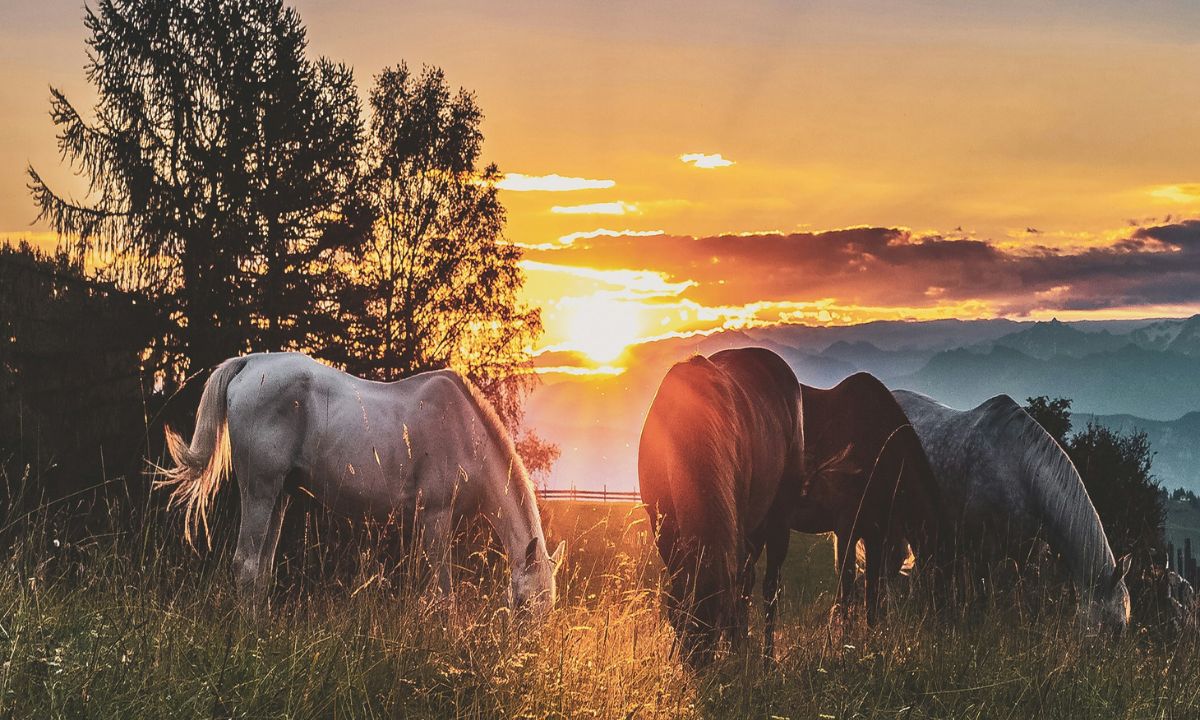
Horses have been a vital part of human history, from being integral to transportation and agriculture to becoming beloved companions in sports and leisure. However, not all horses experience life in the same way. Broadly, horses can be categorized into two main types: wild and domestic. Though they belong to the same species, their lives and interactions with humans and the environment vary significantly. Let’s delve into the key differences between wild horses and their domesticated counterparts.
Habitat and Lifestyle
Wild Horses: Wild horses, such as the mustangs in North America or the brumbies in Australia, roam freely in natural habitats. These horses form herds led by a dominant stallion and consist of several mares and their offspring. They travel extensive distances in search of food, water, and shelter, adapting to a variety of environmental conditions. Their survival hinges on their ability to forage for food and evade predators, leading to a life that is both challenging and self-sufficient.
Domestic Horses: Domestic horses live under human care, often in stables or pastures. Their diet, health, and general well-being are managed by humans. While some may still be used for work or transportation, many domestic horses are kept for sport, leisure, or companionship. Unlike their wild counterparts, domestic horses have a more predictable and secure lifestyle with regular access to food, water, and veterinary care.
Diet and Nutrition
Wild Horses: Wild horses primarily graze on natural grasses and other vegetation. Their diet is varied and seasonal, depending on the availability of forage in their environment. They have evolved to efficiently process a high-fiber diet and can often be seen grazing for most of the day to meet their nutritional needs.
Domestic Horses: The diet of domestic horses is more controlled and can include hay, grains, and commercial feeds formulated to meet specific nutritional requirements. Supplements and treats are also commonly provided. Owners must carefully balance their horse’s diet to prevent overfeeding and related health issues like colic or laminitis.
Behavior and Social Structure
Wild Horses: The social structure of wild horses is complex and hierarchical. A herd is typically led by a dominant stallion, which protects the group and ensures the genetic diversity of the population by breeding with multiple mares. Herd dynamics can be quite fluid, with horses often changing groups or establishing new herds. Social bonds within the herd are strong, with clear roles and communication methods that help maintain group cohesion and safety.
Domestic Horses: While domestic horses also have a natural tendency to form social bonds, their social structures are often influenced by human intervention. Horses kept in group settings can establish a pecking order, but individual horses might have limited social interaction if kept isolated. Domestic horses rely heavily on human interaction and training, which can sometimes substitute for the natural herd dynamics seen in the wild.
Health and Lifespan
Wild Horses: Life in the wild is fraught with dangers, from predators and harsh weather to food scarcity. Consequently, wild horses generally have shorter lifespans, averaging 15-20 years. They are more susceptible to injuries, diseases, and parasites without the benefit of veterinary care. However, their active lifestyle and natural diet can sometimes lead to fewer metabolic issues compared to domestic horses.
Domestic Horses: Domestic horses typically enjoy longer lifespans, often living 25-30 years or more, thanks to regular veterinary care, proper nutrition, and a controlled environment. They receive vaccinations, dental care, and medical treatment for injuries and illnesses, which significantly enhances their quality of life and longevity.
Human Interaction
Wild Horses: Wild horses have little to no direct interaction with humans, and when they do, it is often a source of stress. Efforts to manage wild populations through roundups and relocations can be traumatic. Wild horses are generally wary of humans and retain much of their natural wariness and survival instincts.
Domestic Horses: Domestic horses are accustomed to human interaction from a young age. They are trained for various purposes, including riding, driving, and showing. The bond between humans and domestic horses can be profound, characterized by trust and mutual dependence. Training and consistent handling can make domestic horses highly responsive and obedient.
Nature and Nurture
The differences between wild and domestic horses highlight the diverse ways in which these majestic animals can live and thrive. Wild horses exemplify resilience and freedom, navigating their environments with innate instincts and strength. On the other hand, domestic horses showcase the deep bond and cooperative relationship that can develop between humans and animals. Both types of horses enrich our world, offering unique insights into the balance between nature and nurture.