Pumpkins are more than just a Halloween staple or a key ingredient in a Thanksgiving pie; they’re a rewarding crop to grow in your garden. With their vibrant color and impressive size, pumpkins can be a delightful addition to any backyard. Whether you’re a seasoned gardener or a beginner, this guide will walk you through the essentials of growing pumpkins successfully.
1. Choosing the Right Pumpkin Variety
Pumpkins come in a wide range of sizes, shapes, and colors. Here are a few popular varieties to consider:
- Jack-o’-lantern: Ideal for carving, these pumpkins are medium to large in size with a classic round shape.
- Sugar Pie: Smaller and sweeter, these are perfect for baking and cooking.
- Giant Pumpkins: Varieties like ‘Atlantic Giant’ can grow to enormous sizes, perfect for competitions.
- Miniature Pumpkins: Varieties such as ‘Jack Be Little’ are cute and decorative, suitable for small spaces.
Choose a variety based on your intended use and the space you have available.
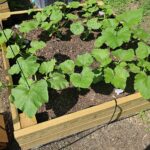
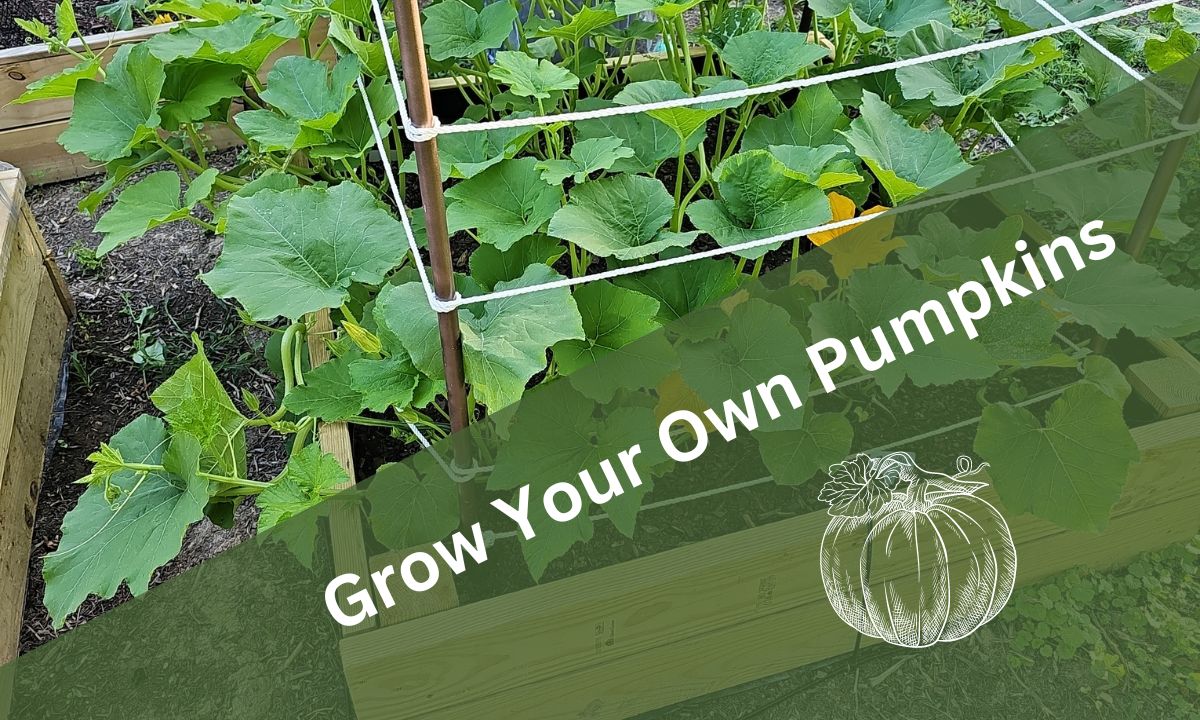
I recommended an assortment of seeds from Amazon from Survival Garden Seeds (paid link). These seeds produced a healthy harvest when I planted them in my above-ground bed.
2. Preparing the Soil
Pumpkins thrive in well-drained, fertile soil with a pH between 6.0 and 7.0. Here’s how to prepare your pumpkin patch:
- Location: Choose a sunny spot that gets at least 6-8 hours of direct sunlight daily.
- Soil Preparation: Before planting, enrich the soil with plenty of organic matter, such as compost or well-rotted manure. This not only improves soil fertility but also enhances its texture and drainage.
- Mounding: Create small mounds or hills about 3 feet apart for planting. This helps with drainage and allows the roots to spread easily.
3. Planting Your Pumpkin Seeds
Timing is crucial when planting pumpkins:
- When to Plant: Pumpkins are sensitive to frost, so plant seeds after the last frost date in your area, typically in late spring.
- Planting Depth and Spacing: Sow seeds 1 inch deep with 2-3 seeds per mound. Once the seedlings emerge, thin them out to leave the strongest plant in each mound.
4. Caring for Pumpkin Plants
Once your seeds are in the ground, consistent care will ensure a healthy crop:
- Watering: Pumpkins need plenty of water, especially during the fruiting stage. Water deeply once a week, providing about 1-2 inches of water. Avoid overhead watering to minimize the risk of fungal diseases.
- Mulching: Apply a layer of mulch around the plants to conserve moisture, suppress weeds, and keep the soil temperature stable.
- Fertilizing: Pumpkins are heavy feeders. Use a balanced fertilizer during the growing season. Once the vines start to run, switch to a phosphorus-heavy fertilizer to encourage fruit development.
5. Pollination and Fruit Set
Pumpkins have separate male and female flowers. Pollination is necessary for fruit set:
- Male and Female Flowers: Male flowers appear first, followed by female flowers (which have a small bulb at the base). Bees and other pollinators are crucial for transferring pollen from male to female flowers.
- Hand Pollination: If pollinator activity is low, you can hand-pollinate by transferring pollen from a male flower to the stigma of a female flower using a small brush or by directly touching the flowers together.
6. Dealing with Pests and Diseases
Pumpkins can be prone to pests and diseases, so vigilance is key:
- Common Pests: Watch out for squash bugs, cucumber beetles, and aphids. Use insecticidal soap or neem oil as needed, and encourage beneficial insects like ladybugs and lacewings.
- Diseases: Powdery mildew and downy mildew are common issues. Ensure good air circulation, avoid overhead watering, and use fungicides if necessary.
7. Harvesting Your Pumpkins
Knowing when and how to harvest is crucial for getting the best quality pumpkins:
- Maturity: Pumpkins are typically ready for harvest 90-120 days after planting. They should be fully colored and have a hard rind that resists puncture from your fingernail.
- Harvesting Technique: Cut the pumpkin from the vine using a sharp knife or pruning shears, leaving about 3-4 inches of stem attached. Handle them gently to avoid bruising.
8. Storing and Using Your Pumpkins
Proper storage ensures your pumpkins last longer:
- Curing: Before storage, cure your pumpkins in a warm, dry place for 10 days to harden their skin and heal any cuts.
- Storage: Store in a cool, dry, and well-ventilated space. Pumpkins can last for several months under the right conditions.
- Usage: Enjoy your pumpkins in various ways – carve them for Halloween, bake pies, make soups, or roast the seeds for a healthy snack.
The Adventure of Growing Your Own Pumpkins
Growing pumpkins can be a fulfilling gardening adventure, offering both aesthetic pleasure and practical rewards. With the right variety selection, soil preparation, care, and timely harvest, you can enjoy a bountiful pumpkin harvest. Whether you aim to grow a prize-winning giant pumpkin or simply wish to adorn your porch with festive decor, following these guidelines will help ensure your pumpkin-growing success. Happy gardening!